December 12, 2025
Ultimate Guide to Florida Waterfront Dock Permitting Rules
By Ileen Gonzalez
Building a dock is an essential part of waterfront property ownership in Florida. The right design improves access, supports safe boating, and adds lasting usefulness to a home or commercial property. At the same time, these projects must follow local, state, and federal guidelines and regulations. Careful planning protects the shoreline, keeps the project on track, and avoids unexpected regulatory delays. The process can feel overwhelming without the right guidance at first, but with clear marine permitting solutions and proper preparation, the process becomes much simpler to handle.
This guide explains how dock projects move from planning to completion. It offers clear information for property owners, contractors, and project managers. It covers common requirements, agency steps, design considerations, and the value of professional permit support.
Understanding the Setting
Florida is home to an extensive network of rivers, lakes, canals, and coastline. Every location has unique circumstances and sensitivity. Seagrass surveys and other protected benthic resources can be found in certain areas. Others have stronger currents and deeper water. The measurements, location, and materials of a dock can be influenced by regulations that differ by county, city, and waterbody. The final design may also be influenced by environmental or navigational requirements specific to the location.
Local regulations may place restrictions on the materials that can be used or how far a structure can go into the water. Additionally, some neighborhoods have their own standards. Understanding the regulations that apply to a property helps prevent future design modifications because requirements vary throughout Florida.
Examining the immediate environment is helpful before making a plan. Examine the shoreline’s shape, soil type, water depth, and surrounding structures. A safe and useful layout is supported by a thorough comprehension of these details.
Why Permitting Exists
Dock projects have an impact on shared waterways and natural resources. Permits ensure the structure is built safely and complies with the regulations for that specific waterway. Every plan is examined by agencies to avoid problems like blocked navigation or effects on adjacent properties. Additionally, these reviews aid in safeguarding regions that might contain wildlife, seagrass, or other delicate elements.
The procedure can involve multiple steps, all of which contribute to the long-term, secure use of the waterfront. A well-thought-out plan satisfies property owners’ needs while maintaining a healthy environment for everyone.
Preparing for the Permitting Phase
Clear and comprehensive information is the foundation of a strong permit package. To verify the precise boundaries and shoreline for the design, a current property survey is required. The engineer uses the survey to create precise plans that are signed and sealed. While the local city typically requests the survey during its own review, the majority of environmental agencies concentrate on examining those plans.
Next, detailed drawings are prepared that outline the dock’s size, placement, materials, and any additional features such as a boat lift or platform. Before you wrap up the plans, it helps to visit the site in person to confirm water depth, evaluate substrate stability look for anything along the shoreline you should include in the plans. Agencies like to see clear photos and straightforward measurements, too, so they can tell exactly how the dock fits with everything nearby.
Agents may also ask for:
- Photographs of the shoreline
- A description of the purpose of the dock
- Contractor information
- Proof of property ownership
- A clear site layout that marks distances to property lines and neighboring docks
The permit review becomes much smoother, helping speed up permit approvals, when these items are organized early..
Local Differences that Matter
Rules can vary from county to county. Some areas limit the length of a dock. Others limit how far it may extend from the shoreline. Some locations set guidelines on material choices or request extra environmental paperwork.
For example, canals may require a design that keeps the center line clear for passing boats. Lakeside properties may focus more on maintaining a natural view. Coastal districts may ask for stronger materials that withstand storms and saltwater over time.
Research your county rules before preparing final plans. This avoids surprises and prevents multiple plan revisions.
In a lot of places, there’s a hard limit on how far a dock can project into the waterway. This comes up a lot in narrow canals, where boats need enough space to get by without trouble.
Usually, you need to keep the center clear so boats can move through. Over by the lakes, it’s less about boat traffic and more about keeping the view natural. Down on the coast, people care about materials that won’t fall apart after a few storms or from saltwater.
So, before you draw up your final plans, spend a bit of time digging into the local rules. You’ll save yourself a lot of headaches and avoid having to redo things later.
Construction Considerations that Improve the Project
Once the permit is approved, construction becomes the next step. Quality materials strongly influence long term performance. Saltwater environments usually require materials and hardware that can withstand long-term saltwater exposure. Composite decking, marine-grade hardware, and properly sized pilings help support durability in Florida waterfront settings. Pilings should be chosen to handle both the structure and the movement of the water.
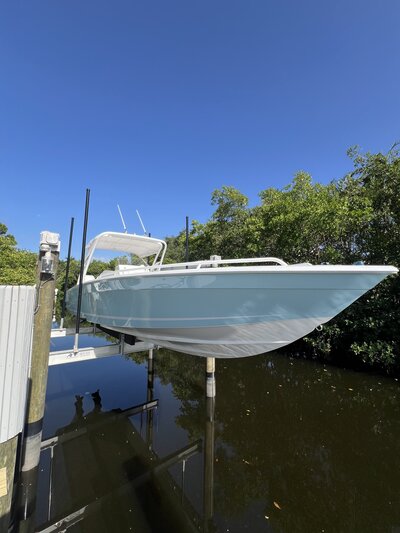
Many homeowners add a lift to reduce hull wear and make daily use easier. Others prefer a simple platform suited for fishing. When preparing these features, think about daily habits, safety needs, and future upkeep.
Lighting can also improve safety and usability. Low-level lighting is a popular choice because it guides evening use while reducing glare for neighbors and limiting effects on nearby wildlife.
Why Professional Permit Support Helps
Many owners and contractors choose to work with a service that focuses on permitting. Permit specialists prepare complete and accurate applications so agencies have everything needed for review. They help confirm that the engineered plans meet agency expectations, which can lower the chance of revision requests.
These professionals also track each stage of the review and follow up with agencies regularly to keep the project moving. Coordinating with surveyors and engineers helps maintain consistency across all documents, supporting a smoother review.
Common Reasons for Permit Delays
Some delays occur when key details are missing, and others happen when the design does not match local rules. The points below show the most frequent causes and how to reduce them.
- Outdated surveys can slow the review because the shoreline or property details may have shifted over time. A current survey helps agencies confirm boundary lines and the exact setting of the project.
- Signed and sealed engineered plans must clearly show all dimensions, materials, and construction details. Incomplete drawings often lead to requests for corrections.
- Agencies also look for a clear site layout that shows how the proposed dock relates to property lines and nearby structures. Simple measurements and a clear layout help reviewers understand the position of the structure.
- If sensitive areas are present, an agency may pause the review until additional environmental information is provided.
- Contractor license and insurance details should be included at the start so reviewers do not need to request them later.
When these issues are handled early, reviews tend to move forward without trouble.
Common Steps Before You Begin Construction
- Walk the site and photograph the entire shoreline.
- Request a current survey if yours is more than a year old.
- Meet with a marine contractor to discuss design ideas.
- Confirm local county rules and neighborhood restrictions.
- Prepare engineering plans that show every detail clearly.
- Submit the permit package through a professional service if possible.
- Wait for final approval before ordering materials.
Following these steps keeps your project organized and safe.
The Value of a Well-built Dock
A quality dock becomes part of daily life. It supports boating, fishing, relaxing, and simple access to the water. It also adds value to the property by providing a clean and dependable structure that serves the owner for many years. In Florida, a well built dock can also improve access during seasonal tides and water level changes.
Durable materials and proper construction help the structure hold up in changing weather conditions. Once construction is complete, consider scheduling annual inspections. These checks can reveal early signs of wear from sun exposure, tides, and saltwater, such as loose boards or weakened fasteners.
The Way Forward
Florida dock construction calls for patience, clear planning, and a solid understanding of local rules. Learning the city, county, and Florida environmental requirements early helps keep the approval steps moving in a steady way. Proper planning also makes it easier to design a structure that fits the property and the specific waterway.
Working with permitting professionals can help keep documents organized and confirm that all required details are submitted accurately. A well-prepared project usually moves through reviews with fewer setbacks and leads to a dock designed for long-term, dependable use. When each stage is handled with care, the result is a structure that supports daily access to the waterfront.

Ready to Make Permitting a Breeze?
Let’s Take the Stress Out of Your Next Marine Construction Project
From simplifying the permitting process to managing every detail, Breezy Permits is here to save you time, reduce frustration, and get your project moving. Whether you’re tackling a dock installation, seawall repair, or any other waterfront project, we’re ready to help.
OR