June 16, 2026
Seagrass Season Is Here: What It Means for Your Dock or Boat Lift Permit
By Ileen Gonzalez
A clear look at benthic resource surveys, state and federal growing seasons, and the design criteria that come into play when resources are present.
If you’ve been thinking about adding a new dock or a boat lift to your waterfront property, the calendar just shifted in your favor. Seagrass growing season has officially commenced, and for projects that add new pilings over the water, that timing can make a real difference in how quickly your docks and boatlifts permitting approvals come through.
Understanding how the season works, and what the environmental agencies are looking for, can save you months on your permitting timeline, whether you’re building this year or next.
What Is a Benthic Resource Survey?
A benthic resource survey is a field assessment that documents what’s living on the bottom of the waterway at your project site. It looks specifically for submerged resources like seagrass and other marine habitat within the footprint of your proposed dock or lift. When a survey confirms that no benthic resources are present, it becomes your documentation that the project won’t impact sensitive habitat. That single document is often what unlocks a faster, more streamlined path through permitting.
Understanding Seagrass Growing Season
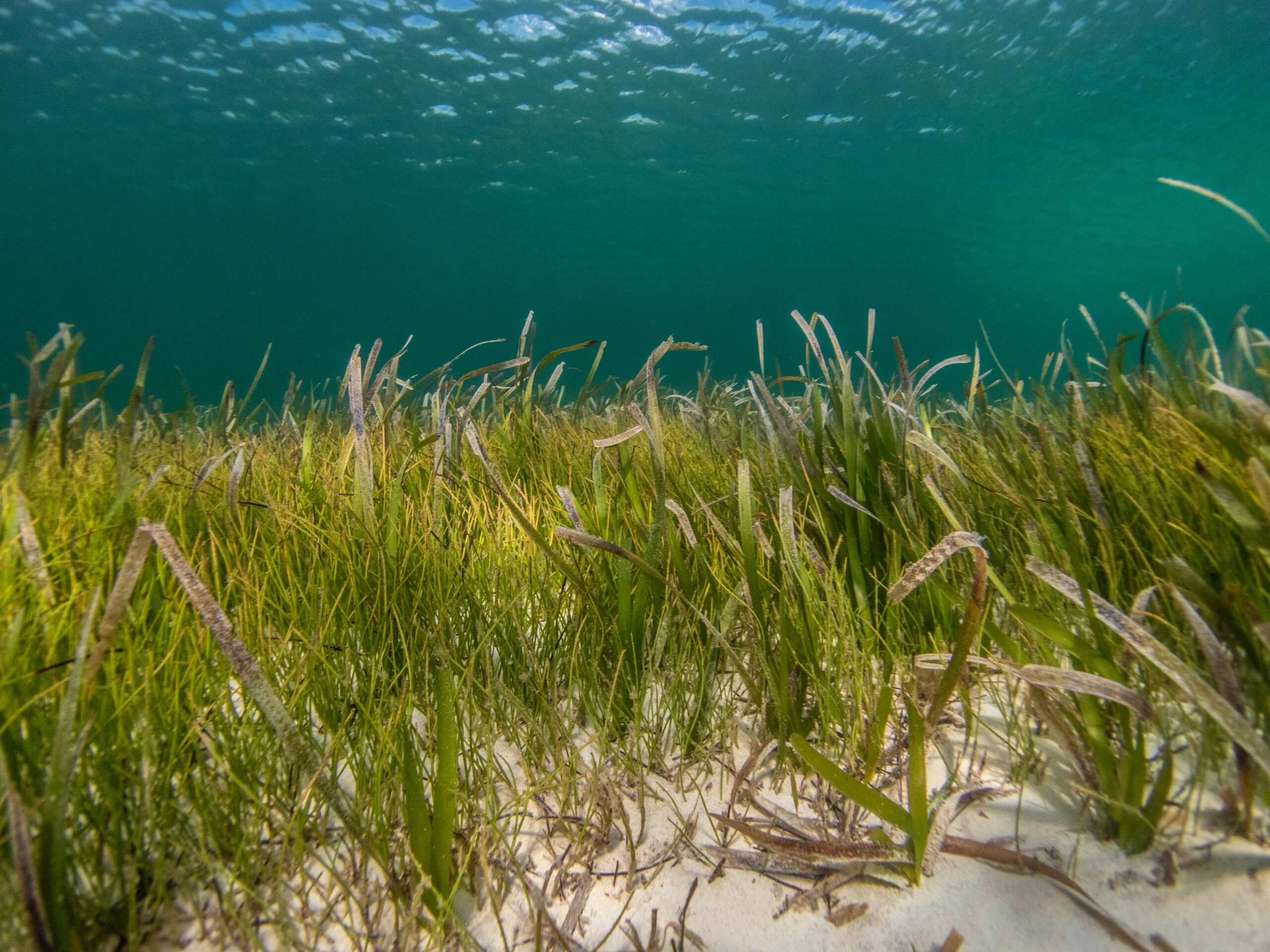
Seagrass grows seasonally, which is why the timing of your survey matters so much. The environmental agencies want surveys completed while seagrass is actively growing and visible, so the assessment reflects what’s truly there.
Here’s where it helps to know that the state and federal windows aren’t the same:
State season (FDEP): April 1st through October 31st
Federal season (Army Corps): June 1st through September 30th
The state window is broader, while the federal window sits inside it. That distinction becomes important the moment your project needs federal approval, which most dock and lift projects do.
Why This Timing Works in Your Favor
For almost any project that adds new pilings over the water, the FDEP has been requiring a benthic resource survey completed during federal growing season. As long as your property sits further than 300 feet from a federal channel, such as the Intracoastal Waterway, that survey is what allows the state to issue your federal approvals on behalf of the Army Corps.
This is the route we take for most projects, and the reason is simple. The FDEP rules can typically turn these approvals around within a month of receiving a complete application. Going through the Army Corps separately tends to add significantly more time to your timeline.
Securing both your state and federal approvals through one streamlined channel is almost always the faster, cleaner path.
The catch is the window. Because the federal season runs June 1st through September 30th, a survey completed in April or May may satisfy the state but won’t support the federal approvals you need. To take advantage of the combined route, your survey has to fall within that federal window.
Your Survey Doesn’t Expire When the Season Ends
Here’s something many waterfront owners don’t realize. A benthic resource survey completed during this season doesn’t expire the moment the season closes. So even if your project doesn’t begin until next year, before seagrass season is back in effect, you can still use this year’s survey as proof that no benthic resources are present at your site.
That means scheduling a survey now can keep a project moving through the off season, when a fresh survey wouldn’t otherwise be possible. For anyone planning a winter or early spring build, this is one of the most valuable details to understand.
What Happens When Resources Are Present
Of course, not every site comes back clear. When benthic resources are present, or when a survey isn’t provided, the FDEP will most likely assume that sensitive resources may be there. In that case, your project has to meet what’s known as PDC criteria.
PDC stands for Project Design Criteria, a set of federal standards designed to protect seagrass and marine habitat by letting more sunlight reach the bottom. The thinking behind it is straightforward: the more light that passes through your structure, the healthier the habitat stays underneath it.
To meet the criteria, your project generally needs to satisfy one of three options:
- Raise your dock at least 5 feet above mean high water, which is the average height of the high tides at your site, so the structure casts less shade on the water below.
- Space your deck boards half an inch apart to let more light slip through the surface.
- Use grated decking that allows at least 43% light penetration.
You only need to meet one of the three. For many homeowners, one of these options fits naturally into the design they already had in mind. For others, the adjustments are less than ideal, which is exactly why a benthic survey completed during seagrass season can be so valuable. A clear survey can remove the need for these design changes altogether.
Which Path Makes Sense for Your Property
Every waterfront property is different, and the right approach depends on your site, your design goals, and your timeline. A benthic survey during seagrass season is often the cleanest way to keep a project moving quickly. In other cases, designing to PDC criteria from the start is perfectly workable and avoids the survey altogether. The key is knowing which path fits before you begin, so there are no surprises once your application is in review.
How Breezy Permits Helps
At Breezy Permits, we coordinate the benthic survey, prepare your submittals, and work through the state and federal requirements so your project keeps moving. We help you weigh your options, design to the right criteria when needed, and present the agencies with exactly what they’re looking for.
If you’re planning a waterfront project and want to take advantage of this season, reach out to our team. We’re always happy to talk through your options and help you find the smoothest path forward.
Also read: Florida 9th Edition Code: What It Means for Coastal Construction Permits in 2026
Ready to Make Permitting a Breeze?
Let’s Take the Stress Out of Your Next Marine Construction Project
From simplifying the permitting process to managing every detail, Breezy Permits is here to save you time, reduce frustration, and get your project moving. Whether you’re tackling a dock installation, seawall repair, or any other waterfront project, we’re ready to help.
OR